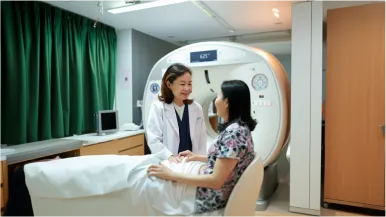
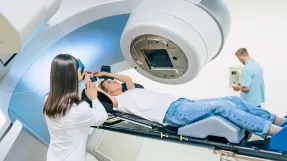
Radiation therapy uses concentrated energy to eliminate cancer cells, shrink tumors, and alleviate cancer-related symptoms. Radiation can be delivered through external machines (external radiation therapy) or by placing radioactive materials directly at the tumor site (internal radiation therapy, also known as brachytherapy). Systemic radiation therapy utilizes radioactive substances, such as radioactive iodine, to kill cancer cells through the bloodstream. Radiation therapy can be combined with surgery or chemotherapy. Once our radiation oncologist determines that radiation therapy is suitable for you, they will use advanced imaging technologies, including computer simulations, three-dimensional conformal radiation therapy, and intensity-modulated radiation therapy (IMRT), to create a personalized treatment plan.
The digital navigation system is the latest method in radiation therapy, developed by Stanford University in the United States. This is a stereotactic robotic radiation surgery platform capable of delivering radiation to tumors from thousands of angles. Due to its exceptionally high accuracy, with an error margin of less than 1 millimeter, it can safely project large doses of radiation to the affected area while minimizing the risk of damage to surrounding organs and tissues. Its destructive power is comparable to that of a sharp surgical knife, allowing for the treatment of many complex cases that were previously difficult to manage with traditional surgery or other forms of radiation therapy.
09月 10, 2024
Radiation
By
admin